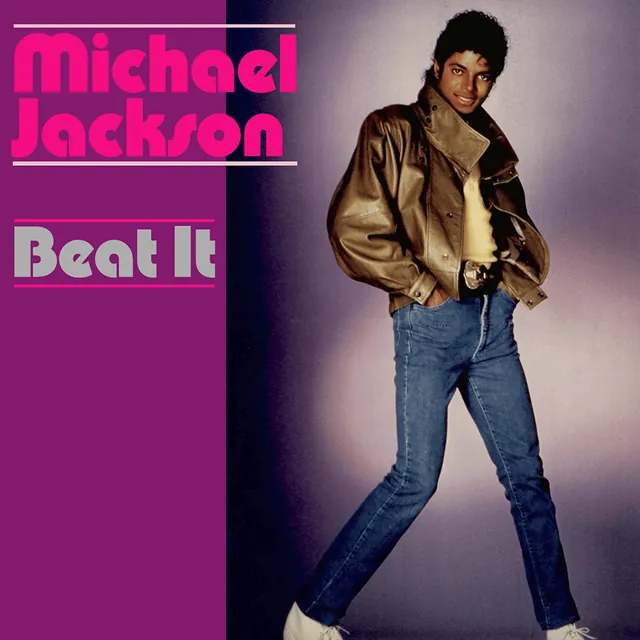
The song is one long intervention. Someone is being walked toward a fight, and the narrator's whole job is to talk him out of it — not with peace rhetoric but with a streetwise argument: leaving is what strength actually looks like. The chorus then widens the point until it swallows the idea of winning altogether.
The anatomy of a warning
The verses are written as urgent advice, escalating step by step. First the threat is established — "The fire's in their eyes and their words are really clear" — then the instruction: run, disappear, "don't be a macho man." The song's realism is that it never denies the danger; it prices it. "You wanna stay alive, better do what you can" frames retreat not as cowardice but as the only move that keeps the options open.
The second verse names the trap precisely: "You have to show them that you're really not scared / You're playin' with your life, this ain't no truth or dare." The pressure to prove fearlessness is identified as the actual weapon — the fight begins in the need to be seen a certain way, not in the punch.
The verse's coldest line is its prophecy: "They'll kick you, then they'll beat you, then they'll tell you it's fair." Violence arrives with its own justification built in. The song's advice is aimed at breaking the sequence before the story can be told over you.
It doesn't matter who's wrong or right
The chorus makes the song's strangest and strongest claim: "No one wants to be defeated / Showin' how funky and strong is your fight / It doesn't matter who's wrong or right." On the surface it cheers the fight; in context it dissolves it. If wrong and right don't matter, then winning proves nothing — the scoreboard the macho man is chasing was never loaded.
The grammar does quiet work: "your fight" belongs to the person fleeing as much as to anyone swinging. The song relocates the contest from the street to the self, so that walking away counts as showing how strong your fight is.
But you wanna be bad
Both verses end on the same four-word diagnosis: "but you wanna be bad." It is the song's thesis about why the advice is needed at all. The danger was never the other gang; it is the seduction of the image — badness as a costume with a body count.
The bridge strips the language down to the command itself — "beat it" repeated until it's pure percussion — and the guitar solo takes over the argument in the song's only wordless passage. When the chorus returns, it has stopped pleading and started chanting, which is the song's final insight: the decision to leave can't be argued into someone, only rhythmically repeated until it sounds like their own idea.
Decades on, "Beat It" survives because its advice has never aged out: the bravest available move, it insists, is the exit — and it says so at a volume that makes the exit sound like a victory lap.
This article is an independent interpretation of the lyrics and metadata listed above, not an official statement of intent. It does not reproduce the full lyrics. Source and credits: Genius.