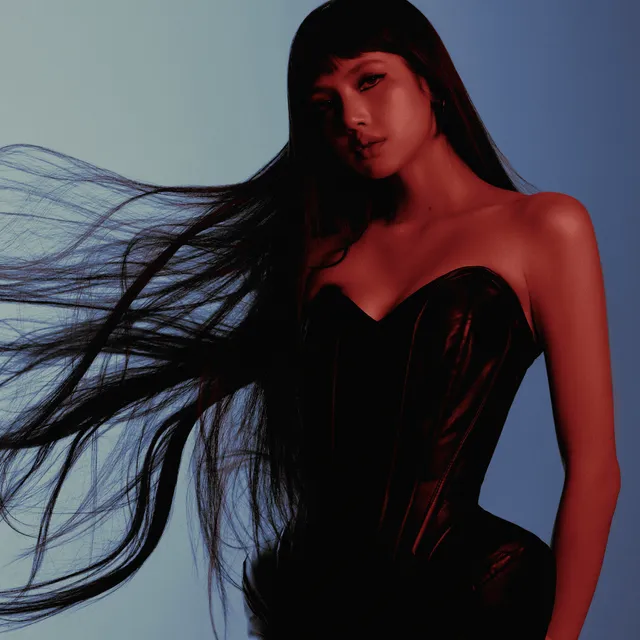
LISA's “Tarantino” presents a narrator who makes herself the star of a dangerous, flirtatious movie. The confidence comes from controlling the scene, but the invitation to watch also gives another person a role in making that fantasy happen.
A body built for the screen
The opening comparison between long nails and a gun barrel makes glamour look armed. Lipstick then becomes evidence left on somebody else's face: beauty is not passive decoration but something that makes contact and leaves a mark. These images establish a larger-than-life persona rather than evidence of literal violence.
The speaker's driving and declarations of authority put her in charge of movement as well as appearance. Yet the feet hanging out of the car suggest leisure, not just intimidation. She wants the freedom to look casually unbothered inside the very spectacle she is creating.
Movie titles become a persona
The title points to filmmaker Quentin Tarantino, and Kill Bill demeanor
makes the reference explicit rather than leaving it as a vague synonym for excitement. The later katana image extends the association into a portrait of someone sharp, dangerous, and difficult to contain. The reference works through attitude and selected visual details; the lyric does not retell a film plot.
Death proof
likewise operates as both a movie reference and a boast of invulnerability. The claim about performing her own stunts gives that boast a particular purpose: the narrator will not let a substitute take her risks. Motels, convenience stores, fast food, and the drive-through keep the fantasy on ordinary roads instead of in an unreachable palace. She turns places anyone might pass into locations for her own movie.
Who gets to press play?
The recurring press play
invitation makes desire resemble an act of watching. Calling herself a movie turns the speaker into the attraction, but it also casts the listener as the person who can start the encounter. The promise of a teaser is similarly selective: another person may get access without being handed control of the whole story.
The outro makes that arrangement less secure. Hollywood is placed in the other person's hands, and the encounter is described as temporary. This is not a sudden confession that the confidence was false. It is a limit placed on the fantasy: even the commanding star needs an audience, and neither the performance nor the pleasure is promised to last.
“Tarantino” therefore uses film imagery to stage an attraction built on self-possession. Its tension lies in the difference between owning the scene and needing somebody else to enter it.
This is an independent interpretation of the lyrics, not an official explanation or an account of the artist's private life. Read the source lyrics on Genius.