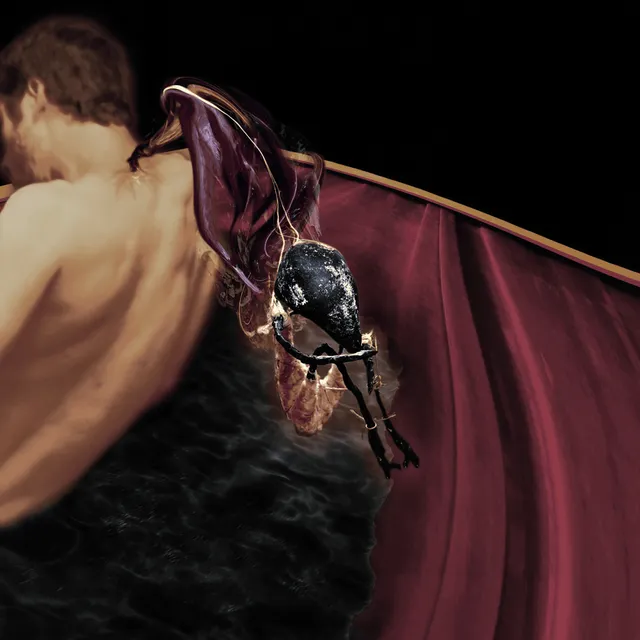
“With Or Without it” is about continuing to live without waiting for complete security or approval. Its narrator recognizes that some familiar protections are damaging, then moves toward accepting vulnerability and seeking love while there is still time.
Safety that does damage
The first verse makes forward movement physically difficult. The sun is going down, the speaker has slept through the morning, and an attempted departure meets cold feet and fever. Those opposing sensations place hesitation inside the body. The stated intention to forgive past mistakes is not yet the same as feeling free to act.
The chorus condenses that conflict into the poison that's keeping me safe
. A harmful thing can still feel protective if it prevents exposure, disappointment, or change. The lyric does not name a single substance, relationship, or behavior as the poison, so reducing the phrase to a specific addiction would close down its central contradiction too quickly.
Burying the keys and moving out make the decision more substantial than briefly stepping away. The means of reentry are put out of reach. Even then, the arrival on new ground is a fall, not a triumphant landing: giving up the old shelter does not guarantee comfort.
No longer performing composure
The second verse names friends as sources of light within an internal maze. That detail matters because carrying on is not presented as total self-sufficiency. The speaker needs help while also confronting a fear of stepping out of line.
The imagery of tasting and rejecting a chalice, followed by the embarrassing taste of success, questions rewards that once looked desirable. Meanwhile, heroes' capes are assigned to villains and the narrator's own polished language resembles chemical waste. Neither external prestige nor fluent self-presentation reliably indicates something good.
The decision to let panic show answers this problem directly. Instead of endlessly adjusting words to avoid disappointing anybody, the narrator accepts that someone will remain dissatisfied. The change is not the disappearance of fear but the refusal to organize a whole life around concealing it.
A body that can be restored
The fairy fountain, counted hearts, and medallions shift the imagery into a game-like vocabulary of healing and equipment. A spine appears among those resources, connecting restored vitality with the courage to stand up. The speaker imagines being replenished rather than remaining a body trapped in alarm.
The nearby mushrooms and magic powder leave fantasy and altered perception entangled. They do not establish a literal treatment history or prove that any substance produced a recovery. Their textual function is to accompany a message becoming clearer: rather than waiting for the world to become safe from destruction, the narrator might participate in it now.
Before, rather than after
The most decisive revision comes at the end. An earlier chorus describes hunger for love while treating the opportunity as already lost; the outro instead urges connection before it's too late
. The need has not changed, but its relation to time has. What seemed foreclosed becomes something the speaker can still act on.
The title leaves “it” unresolved, and the lyric does not require one fixed answer. What becomes clear is the decision not to make living conditional on possessing it. Continuing means leaving damaging safety behind and making room for connection without a promise of immunity from pain.
This is an independent interpretation of the lyrics, not an official explanation or an account of the artist's private life. Read the source lyrics on Genius.